






Sober Living Home During Early Recovery can dramatically improve your sobriety odds by providing structured support, live-in oversight, and evidence-based practices. Look for programs offering 6 12 month stays, which boost success rates to 70 80%, compared to just 24 36% for shorter programs. Prioritize homes near recovery resources, with peer accountability and clear policies. You’ll benefit from daily routines, drug testing, and integrated counseling. The right environment transforms your early recovery trajectory. Discover what specific features matter most for your unique situation.
Understanding Housing Characteristics That Support Recovery
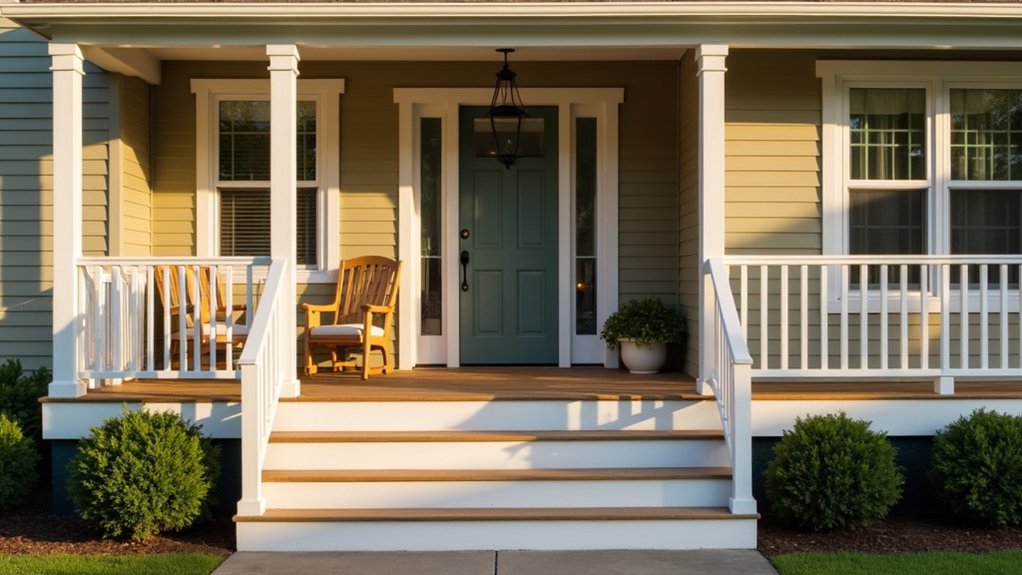
Because where you live profoundly shapes your recovery journey, understanding which housing features foster long-term sobriety is essential. You’ll benefit most from homes with 10 or fewer residents, as smaller populations support employment and reduce overcrowding stress. Location matters greatly seek housing near 12-step meetings, mental health services, and reliable transportation. Your peer network diversity strengthens recovery; homes implementing housing quality standards through organizational affiliation show better abstinence outcomes. Neighborhood cohesion and low crime rates create protective environments that build your recovery capital. Male-only or gender-specific settings sometimes enhance alcohol abstinence, reflecting how resident composition influences culture. Research demonstrates that residents in recovery-oriented homes are twice as likely to maintain abstinence compared to standard housing. Facilities that monitor occupancy within the ideal 80-90% range ensure balanced community dynamics while maintaining personalized support for each resident. Mandated or encouraged 12-step group attendance serves as a central component of the recovery philosophy in these homes. Homes affiliated with treatment programs or probation systems demonstrate significantly improved recovery outcomes across multiple measures. These structural elements combine to create environments where your sustained sobriety becomes achievable.
Key Operational Features That Drive Better Outcomes
While housing structure creates the foundation for recovery, the day-to-day operations of a sober living home ultimately determine whether you’ll sustain long-term sobriety.
| Operational Feature | Impact on Recovery |
|---|---|
| Live-in manager oversight | Reduces relapse through consistent accountability |
| Employment tracking | Strengthens financial stability and sobriety |
| Drug testing protocols | Maintains transparency and progress monitoring |
Effective resident engagement strategies keep you invested in your recovery journey. Homes implementing these practices foster active participation, accountability, and peer support that directly strengthen abstinence rates. Administrative oversight practices including manager residency, employment monitoring, and structured testing create the consistency you need. Research shows that staffing and management practices are particularly important factors in determining treatment outcomes. When homes maintain 80-90% occupancy with residents staying 6+ months, outcomes improve considerably. These operational elements work together to build the stable, supportive environment where recovery thrives and becomes sustainable long-term.
Why Program Structure Matters for Long-Term Success

As you move from intensive treatment to independent living, the difference between success and relapse often hinges on one critical element: program structure.
A well-designed therapeutic environment grounded in evidence-based practices creates the scaffolding you need during this vulnerable passage. Clear daily routines, written expectations, and regular check-ins reduce ambiguity while supporting accountability. This predictable framework prevents overwhelm as you navigate autonomy. Most sober living homes enforce zero-tolerance drug and alcohol policies with random testing to maintain the integrity of the drug-free environment.
Research demonstrates the impact: programs combining structure with integrated supports show abstinence rates climbing from 11 20% at entry to 40 68% within six to twelve months. When your sober living home coordinates counseling, case management, and peer monitoring alongside consistent expectations, you’re far more likely to sustain recovery. Longer program stays of 6-12 months or more significantly increase your chances of maintaining sobriety beyond your time in the home.
Structure isn’t restrictive it’s liberating. It provides the stable foundation you need to rebuild your life while reinforcing the skills and mindset essential for lasting sobriety.
The Critical Role of Length of Stay in Maintaining Sobriety
That structure you’ve built within your sober living home gains real power only when you stay long enough to let it work. Research reveals that residents staying six months or longer achieve 70-80% sobriety success rates, compared to just 24-36% for those departing within 45 days.
Your commitment matters because program fidelity measures the consistency of therapeutic interventions require time to take root. Service utilization metrics show that extended residence strengthens psychiatric symptom reduction by 0.88 times and cuts substance use disorder diagnoses to 0.65 odds. During this extended stay period, you have the opportunity to develop coping skills that address your specific triggers and stress responses. However, the lack of consistent oversight and regulation across states means that the quality of services and support you receive may vary significantly depending on where your recovery home is located.
Staying 12+ months elevates abstinence rates above 85%. Early departure before six months drastically worsens outcomes, particularly for those with relapse histories. Most individuals who relapse do so between two weeks and three months following treatment, underscoring the critical importance of remaining engaged in your recovery environment during this vulnerable window. Your length of stay directly correlates with your long-term recovery success.
Measuring Your Progress: Expected Resident Outcomes and Success Indicators

You’ll find that recovery isn’t just about staying sober it’s about transforming multiple areas of your life simultaneously. Research shows residents typically achieve 40-68% abstinence rates within six to twelve months, while employment severity decreases and arrest rates drop markedly.
Individual assessments help track your progress across key indicators: substance use, employment stability, and criminal justice involvement. You’ll notice improvements in psychiatric symptoms as your recovery deepens. Studies demonstrate that retention for 6-18 months is essential to establish and maintain these positive outcomes throughout your recovery journey.
Your recovering network influences matter tremendously. Residents with stronger 12-step involvement and lighter substance-using social circles demonstrate significantly better outcomes. Houses emphasizing peer support and structured recovery activities amplify your success likelihood.
Most residents maintain gains post-exit, with long-term sobriety rates reaching 81% for program graduates. These evidence-based benchmarks show what you can realistically expect when you commit to your recovery journey.
Frequently Asked Questions
How Much Does Sober Living Housing Typically Cost per Month?
You’ll find that sober living housing typically ranges from $450 to $5,000 monthly, depending on your location and preferences. Shared rooms offer more affordable payment plans starting around $450 $800, while private accommodations cost $1,000 $2,500. Metropolitan areas like West Los Angeles can reach $10,000 monthly. Most fees include utilities, basic amenities, and sometimes meals. You’ve got options too scholarships, sliding scale fees, and work exchanges can make quality housing more accessible during your recovery journey.
What Happens if I Relapse While Living in a Recovery Residence?
If you relapse while living in a recovery residence, you’ll likely receive structured support rather than immediate dismissal. Staff’ll implement relapse prevention strategies, including drug testing and follow-up assessments to understand what triggered your slip. They’ll address mental health considerations and underlying factors that contributed to your relapse. Many facilities encourage you to stay beyond 90 days, as longer residency considerably improves outcomes. Your care team will adjust your treatment plan and strengthen your recovery support network.
Can I Choose a Male-Only or Female-Only Sober Living Environment?
Yes, you can absolutely choose gender-specific options for your sober living environment. Many recovery residences offer male-only or female-only homes that provide valuable privacy considerations and create safer, more supportive spaces. Research shows that gender-specific sober living environments considerably enhance your recovery outcomes by fostering trust, building meaningful peer connections, and allowing you to focus on healing without distractions. You’ll benefit from tailored support addressing your unique recovery needs and challenges.
How Do I Find a Sober Living Home With Treatment Program Affiliation?
You’ll find affiliated homes through SAMHSA’s database of 1,125 recovery homes and the Sober Living Network, which reports member houses’ treatment program connections. Contact Oxford House or NARR-registered facilities they enforce strict verification standards. You should confirm treatment program requirements and aftercare coordination directly with prospects. Ask about their licensure, accreditation status, and whether they’ve partnered with established treatment providers, ensuring seamless continuity in your recovery journey.
What Support Continues After I Leave the Sober Living Residence?
After you leave, you’ll access extensive aftercare services including outpatient therapy, recovery coaching, and drug screenings at no cost. You’ll maintain 12-step involvement through peer networks and alumni groups that provide ongoing support. Community involvement opportunities connect you with employment resources, vocational training, and mental health care. These sustained connections combined with your established recovery skills help you build a resilient, independent life while staying connected to others who understand your journey.